Quick Answer: A micro-party is a deliberately small children’s celebration — typically 4 to 10 guests — with a focus on quality over scale. Micro-parties cost 40–60% less than a standard large party while being significantly more personalised and memorable. Popular formats include experience parties (pottery, cookery class), sleepovers, afternoon tea parties, garden adventures, and movie nights. Start planning on FunzEventz — free to create your event, manage a small guest list, and send invites discreetly to selected parents.
The class list has 28 children on it.
You’ve been to the parties where every single one of them was invited. You know how it goes. The venue that can barely contain them. The birthday child who spends the whole party overwhelmed and over-stimulated. The chaos that ends with someone crying, a spilled plate of food, and a parent who swore they’d never do it that scale again.
Here’s a thought.
What if you didn’t?
What Is a Micro-Party?
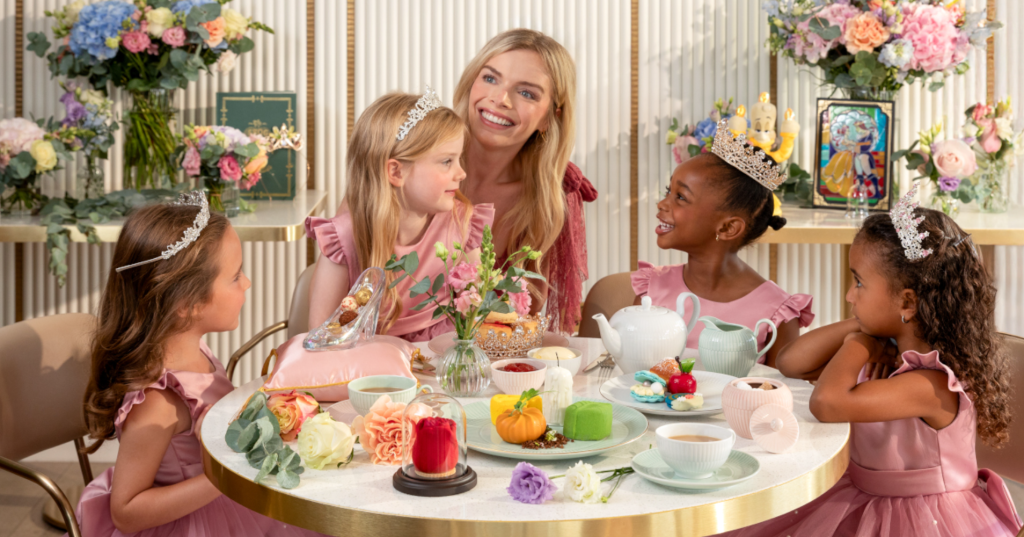
A micro-party is a deliberately small celebration — typically 4 to 10 children, maximum — with more intention, more personalisation, and more genuine fun than anything a 30-person hall booking can offer.
It’s not a budget compromise. It’s not settling for less.
It’s a choice to make the day actually about the child.
The trend has been building since 2024 and is firmly established in 2026 — parents are recognising that the memories that stick, the ones children actually talk about, come from intimate moments rather than large productions.
Why Is a Smaller Kids’ Party Often Better?
A smaller guest list consistently produces a better experience for the birthday child because they can actually connect with the people there, rather than spending the day being pulled in 15 directions.
Here’s what typically happens at a large kids’ party: the birthday child is overwhelmed and doesn’t fully connect with anyone. The shy guests retreat to the edges. The entertainer manages crowd control rather than creating magic. The parents are exhausted before the cake comes out.
Here’s what happens at a micro-party: the birthday child spends real time with the children who matter most to them. Every child gets proper attention. Activities are genuinely interactive rather than crowd-managed. You can do things that are simply impossible with 25 children — cook together, take a class, go somewhere special, sit around a table and actually talk.
And the budget that would have gone on a venue for 30? Spent on quality for 6. Better food. A more meaningful experience. Something they’ll remember in ten years.
What Are the Best Micro-Party Formats for Kids?
These five formats work consistently well for small guest lists — each one is more effective at this scale than it would be for a large group.
The Experience Party
Instead of booking a venue with entertainment, take the group somewhere. A pottery class. A cookery workshop. An escape room designed for children. A behind-the-scenes tour.
Six children at a pottery session, making their own bowls and taking them home, is infinitely more memorable than six children at a hall with 24 others. The experience is the party, and the made object is the party favour.
Best for: Ages 7 and up. Especially effective for children with a strong interest — art, science, cooking, animals.
The Sleepover Party
The original micro-party format. Four to six children, sleeping bags, a film, homemade pizza, and the kind of whispered conversations at midnight that become the stuff of long friendships.
Best for: Ages 7–11. Keep the guest list tight — the intimacy is the whole point.
The Afternoon Tea Party
A beautifully set table, proper-looking china (plastic works, the set-up is what matters), little sandwiches, cakes, and the full ceremony of an afternoon tea. Children dressed up, sitting like tiny adults, delighted with themselves.
Add a simple craft — decorating a teacup, making biscuits — and you’ve covered food and entertainment in one. Works brilliantly as a princess or pamper party for a small group.
Best for: Ages 5–10.
The Garden Adventure
Claim the outdoors. Den-building. A nature scavenger hunt. A fire pit for toasted marshmallows with supervision. Hot chocolate and blankets as the sun goes down.
This costs almost nothing and creates the kind of day children write about in school essays six months later.
Best for: Ages 5–12. Weather dependent — have an indoor backup ready.
The Movie Night
Transform your living room: cinema seating with bean bags, cushions, and blankets; a popcorn bar with pick-your-own toppings; the birthday child chooses the film. Interval snacks served by “cinema staff” — you, wearing a slightly silly hat.
Best for: All ages. Especially brilliant in winter.
What Can You Do at a Micro-Party That You Can’t Do at Scale?
Small guest lists unlock options that are completely impractical for large parties — and this is where micro-parties genuinely win.
Personalise everything. With 6 children, you know all of them. Their favourite songs, their favourite foods, their in-jokes. You can build every element of the party around this exact group. That level of care is impossible at 30.
Cook or bake together. Make the birthday cake as a group. Decorate cupcakes. Build pizzas. Children aged 6 and up are capable of this and they love it. It’s the activity and the food in one.
Go somewhere properly special. A professional cookery class for 6 children costs a fraction of what a venue booking for 30 would. The budget saved on scale buys an experience that larger numbers make impossible.
Actually sit down for a meal together. A real table. The birthday child at the head. This sounds simple and it is quietly magical — particularly for children who rarely sit down together with their friends outside of school.
How Do You Handle the Guest List for a Micro-Party?
The guest list is the decision that makes parents hesitate — specifically, how to keep it small without causing upset.
For children under 6, feelings are big and temporary. Keep it quiet, send invites directly to parents, and the moment passes.
For children 7 and older, they generally understand that different friendships celebrate differently — and being one of six children at a special experience signals that this friendship matters. Frame it that way.
The key rule: do not broadcast it. Send invites directly to parents — not via the class WhatsApp group, not via children comparing notes in the playground. Quietly. Directly. By name.
And frame it to the invited children positively: “You’re one of [child’s name]’s closest friends, and we’d love to celebrate with you.”
That’s the truth, and it lands differently from exclusion.
How Do You Manage RSVPs for a Small Party?
With a small guest list, every single RSVP matters more than at a large party — one unconfirmed guest can affect the experience booking, the food quantities, or the activity setup.
Collect RSVPs through FunzEventz: parents confirm directly through the app, you see in real time who’s coming, and you can chase non-responders discreetly — without a message to the whole class.
For small parties, also collect at the RSVP stage:
- Dietary requirements and allergies — critical when you’re cooking together or catering to a tiny group
- Whether parents are staying (especially for younger children)
- Any access or mobility needs
With 6 people, every detail is manageable. With 30, you’re guessing.
How Much Does a Micro-Party Cost?
A micro-party consistently costs 40–60% less than an equivalent large party — and delivers a better experience.
| Cost Element | Standard Party (25 children) | Micro-Party (6 children) |
|---|---|---|
| Venue hire | £150–£300 | £0 (home) or £80–£150 (experience venue) |
| Entertainment | £150–£250 | £60–£120 (premium experience or activity) |
| Food | £75–£100 | £30–£50 (higher quality per head) |
| Party bags | £50–£75 | £20–£40 (meaningful keepsake) |
| Total | £425–£725 | £110–£360 |
Less money. More personal. Better memory.
Micro-Party Planning Checklist
6–8 weeks out:
- [ ] Decide on format (experience, sleepover, afternoon tea, garden, cinema)
- [ ] Confirm date and book any external experience or venue
- [ ] Create event and guest list on FunzEventz
4 weeks out:
- [ ] Send invites directly to parents — quietly, not via group chat
- [ ] Collect dietary requirements and allergies in RSVP process
2 weeks out:
- [ ] Confirm RSVPs and final headcount
- [ ] Plan food and activities for the confirmed exact number
- [ ] Order any supplies or decorations needed
Day before:
- [ ] Set up
- [ ] Prep anything that can be done ahead
Day of:
- [ ] Welcome 6 children who are genuinely excited to be there.
- [ ] Watch your child light up.
Frequently Asked Questions About Micro-Parties for Kids
What is a micro-party for kids?
A micro-party is a deliberately small children’s birthday celebration, typically with 4 to 10 guests rather than a full class. The focus is on quality, personalisation, and creating genuine connection — rather than scale. Common formats include experience parties, sleepovers, afternoon teas, and movie nights.
How many guests should a micro-party have?
Most micro-parties work best with 4–8 children. More than 10 and you begin losing the intimate quality that makes the format effective. The sweet spot for most formats — a cooking class, sleepover, or garden adventure — is 5–7 children.
How do you tell children they’re not invited to a micro-party?
Don’t announce it; simply don’t broadcast it. Send invitations directly to parents through individual messages or a platform like FunzEventz — not via a class WhatsApp group or through children. For older children, it can help to have the birthday child briefly explain “we’re doing something small and special with our closest friends.”
Are micro-parties cheaper than big parties?
Yes, significantly. A micro-party for 6 children typically costs £110–£360 all in, compared to £425–£725 for a standard party for 25. The budget saved on scale can be redirected into a higher-quality experience — a cookery class, a pottery session, or a more memorable meal.
What’s the best micro-party idea for a 7-year-old?
An experience party works exceptionally well at age 7 — a cookery class, pottery session, or craft workshop gives the group a shared activity, produces a take-home object, and creates a memory that outlasts any party bag. Alternatively, a sleepover with a movie and homemade pizza is a firm favourite at this age.
How do you manage dietary requirements at a micro-party where you’re cooking together?
Collect dietary requirements and allergies at the RSVP stage. FunzEventz includes allergen flagging as part of the RSVP confirmation — parents note requirements when they confirm attendance. With only 6 guests, you have enough notice to choose recipes that work for everyone or to prepare a simple alternative where needed.
We’ve been sold the idea that a party is only a success if it’s big, busy, and broadly attended.
It isn’t.
The best party is the one your child remembers. The one where they felt seen, celebrated, and surrounded by the people who actually matter to them.
Sometimes that’s four children and a pottery workshop.
Sometimes that’s six sleeping bags and a bowl of popcorn.
Sometimes small is exactly right.
Planning a micro-party? Start on FunzEventz — free to create your event, manage your intimate guest list, send invites discreetly, and track RSVPs in one place.
Smaller guest list. Bigger memory.
Related Articles
- Kids’ Party on a Budget — how to plan a brilliant party without overspending
- Pamper Party Ideas for Kids — a perfect micro-party format
- How to Manage Party RSVPs — stop chasing confirmations on WhatsApp
- Princess Party Ideas for Kids — royal themes for an intimate celebration
Written by the FunzEventz team
